
Asynchronous video interviews are becoming increasingly common in hiring, allowing candidates to record their responses for a computer rather than speaking directly with a person. Although this method streamlines the hiring process, it raises important questions about fairness — and it can take a real emotional toll on candidates who feel unprepared for the format.
As a Career Coach, I hear about this firsthand. My clients — whether college students, new grads or early career professionals - consistently describe one-way video interviews as one of the most uncomfortable parts of the job search. Many feel the format is less fair than speaking with a human, and many worry about whether the right keywords will get them past an AI screener. Their concerns are well-founded and understanding the “why” behind this format can help candidates approach it more strategically.

Why Employers Use One-Way Video
Employers, especially high-volume recruiters, can receive hundreds of thousands of applications for a single hiring season - making in-person or synchronous first-round interviews nearly impossible to scale. Goldman Sachs, for example, uses HireVue-style interviews with 3–5 pre-set questions and strict time limits, often giving candidates just 30 seconds to prepare and up to 2 minutes to respond. This allows them to process hundreds of thousands of internship applications using a combination of human and automated screening. Here are a few reasons why employers find this format useful:
- Volume and speed: One study found that asynchronous video interviews reduced time-to-hire by 50–70%, essentially cutting recruiting timelines in half.
- Wider funnel: For employers receiving thousands of applications per opening, automation makes it possible to at least consider every candidate - even if only a small percentage ever reaches a human interviewer.
- Perceived objectivity: Some leaders believe standardized prompts and structured scoring, sometimes assisted by AI, create more consistent assessments across candidates and locations.

The Candidate Experience: Awkward, Exposed, and Unsure
Despite the efficiency gains for employers, most candidates describe one-way video interviews as uncomfortable and depersonalizing - and research backs this up.
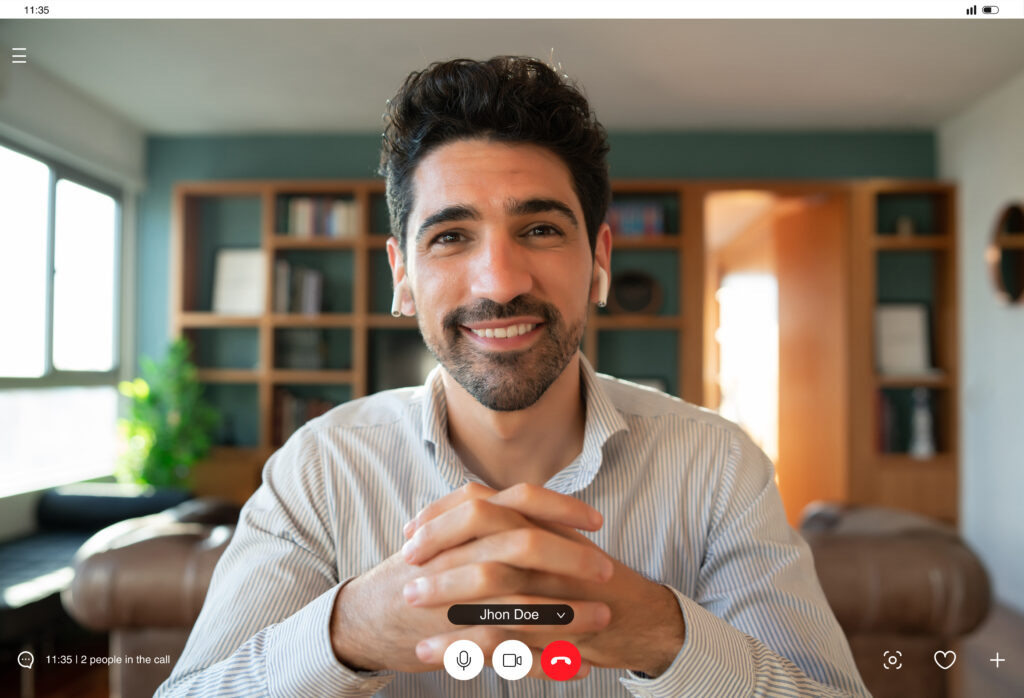
- Talking to a screen: Instead of reading a human’s cues, candidates stare into a webcam, watch a countdown clock measure the length of their answers, and worry about lighting, sound, and background. Even experienced professionals report a spike in performance anxiety.
- Limited flexibility: Many platforms restrict prep and response time, and some allow only one take. This makes it harder to share complex experiences, self-correct, or think out loud in the way a natural conversation allows.
- Fairness concerns: Studies show candidates frequently worry that AI or rigid scoring systems can’t recognize unique strengths, may favor certain communication styles, or misread nonverbal cues — particularly across gender, race, age, or disability.
- The keyword pressure: My coaching clients regularly tell me they feel pressure to front-load industry buzzwords to satisfy AI screening - which forces them to communicate in a way that feels unnatural and inauthentic.
How to Perform Your Best in a One-Way Video Interview
Knowing the format’s limitations doesn’t make it go away - but it does allow you to prepare more strategically. At Career Compass Consultants, we help our clients by offering tips like these:
- Prepare your environment. This is the first thing I tell every client before any video interview: set up your space intentionally. Lighting, background, and sound are part of your personal brand before you say a single word. A ring light and a clean background signal professionalism instantly.
- Practice with the countdown. When we work with clients on AVI prep, we practice using the prep time — even just 30 seconds — to jot down 2–3 key points rather than trying to script a perfect answer. Structure beats perfection every time.
- Speak the language of the role. We remind clients to use language from the job description naturally throughout your answers. This isn’t about gaming the system — it’s about demonstrating genuine alignment with the role.
- Talk to the camera, not at it. Project energy and warmth toward the camera, not the screen. It feels unnatural at first, but sustained eye contact with the lens reads as confident and engaged on playback. We practice this part over and over until it feels more comfortable for our clients.
The Bottom Line
Asynchronous video interviews aren’t going anywhere. For employers, the efficiency gains are too significant to walk away from. For candidates, the format rewards those who understand how it works and prepare accordingly — not just those who are naturally comfortable on camera.
As organizations continue integrating AI and automation into hiring, the responsibility falls on both sides: employers to design processes that are fair and human-centered, and candidates to advocate for themselves by showing up prepared, authentic, and informed.